
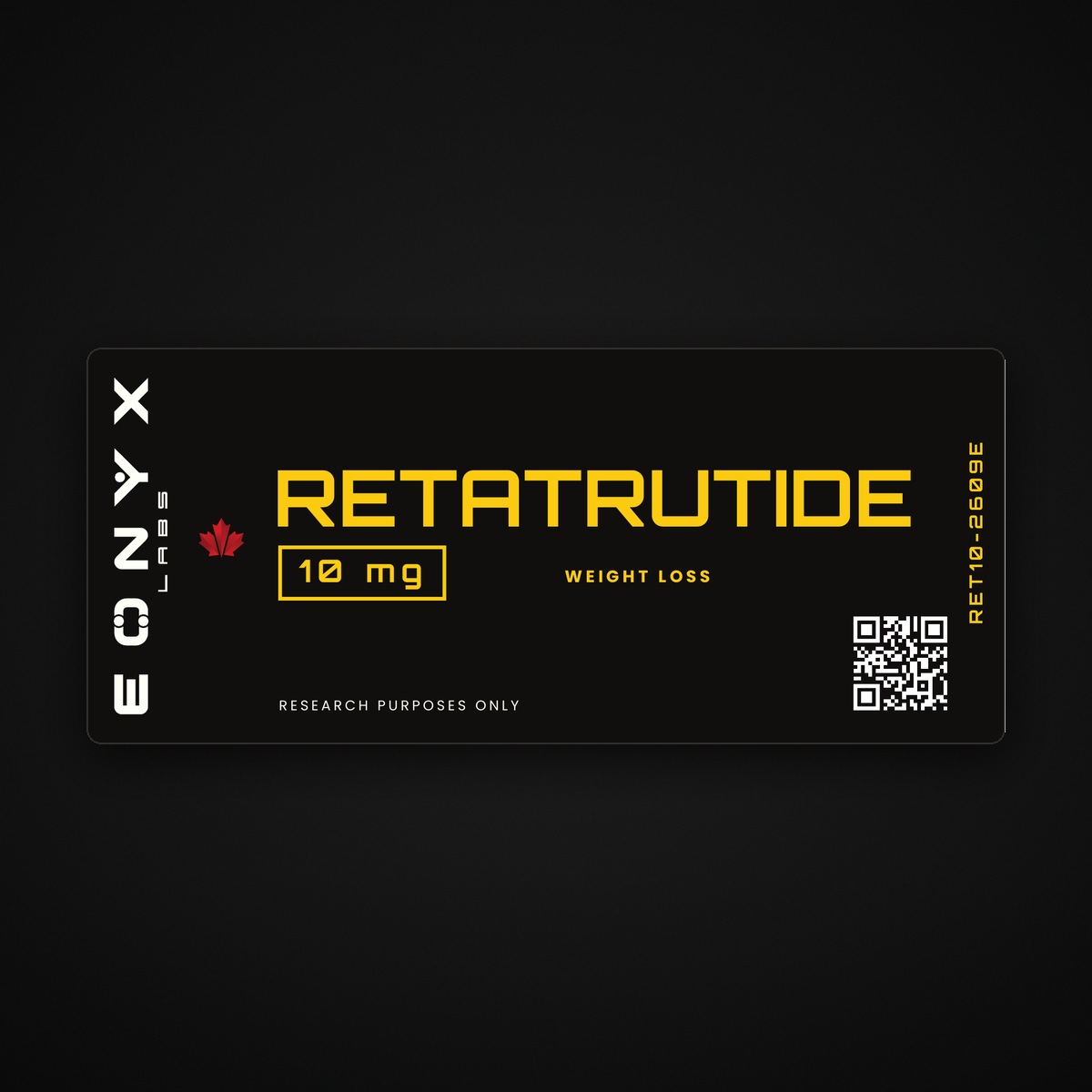
What a batch code is
A batch reference connects the physical material, its documentation and your receiving record. Read the exact code from the vial rather than assuming that the current catalogue image represents the batch you received. Product names and strengths help identify a material, but they do not replace the batch reference.
A code may contain a compound abbreviation, nominal strength and production reference. Formatting is specific to the supplier. The example graphic in this guide illustrates that structure; it is not evidence of a released lot.
Reading the certificate
Open the certificate that matches the exact batch. Confirm the compound and net content, then review the methods, purity result, identity result and test date. Check whether the document is an actual laboratory report or a development sample. The sample certificates shown in this preview are explicitly marked and must not be used as verified test evidence.
When an original report is supplied, keep its complete PDF with the laboratory record. Review the chromatogram and method information in context rather than treating a single percentage as a complete specification.
Purity and identity answer different questions
Chromatography separates components in a sample under the stated method. A reported purity result describes that analysis. Identity information addresses whether the observed material matches the expected compound. Read both with the original report, method and batch specifications; neither substitutes for a validated laboratory protocol.
Match the vial to its documentation
- Compound name agrees.
- Selected strength and net content agree.
- The batch reference matches exactly.
- The report includes the method and test date.
- The supplied document is identified as a genuine report, not sample artwork.
If anything differs, set the material aside under your laboratory procedure and send the compound, strength and batch reference to the research desk. Do not substitute another strength’s label or certificate.
Keep a clean receiving record
Record the batch, document reference, date received and storage location. Follow the conditions specified by the exact batch documentation and your validated SOP. Keep the certificate with the notebook or inventory entry so another researcher can follow the same paper trail.
Open the COA Library or contact the research desk when a record needs clarification.
For laboratory research use only. Not for human or veterinary use.
Key terms
GLOSSARY · 4- HPLC
- High-performance liquid chromatography. A method used to separate components of a sample.
- IDENTITY
- Evidence that the material matches the expected compound. Review the method and result with the batch documentation.
- LYOPHILIZED
- Freeze-dried material. Handling and storage follow the validated laboratory protocol.
- BATCH
- The lot reference connecting the vial, documentation and laboratory receiving record.
Was this guide useful?
Thanks — your feedback is saved on this device.